x

- [email protected]
- Amherst, Massachusetts, USA
- Contact Us
Advancing Health Equity Through Intersectional Research
The Lab for Intersectional Health Equity Research (LIHER) explores how overlapping social, economic, and structural factors shape health outcomes and works toward more equitable, informed policy solutions.

600+ Different Tests
Experienced professionals
Our Mission
About LIHER
The Lab for Intersectional Health Equity Research (LIHER) is dedicated to advancing research that addresses complex health inequities through an intersectional lens.
We bring together community members and scholars across disciplines to examine how systems of power, policy, and social structures influence health outcomes. By integrating diverse perspectives from social and biomedical sciences, LIHER works to generate meaningful, equity-driven insights that inform both research and real-world impact.
10+ Community Partners
50+ Research Projects

Methodology
Our Approach
Intersectionality in Action
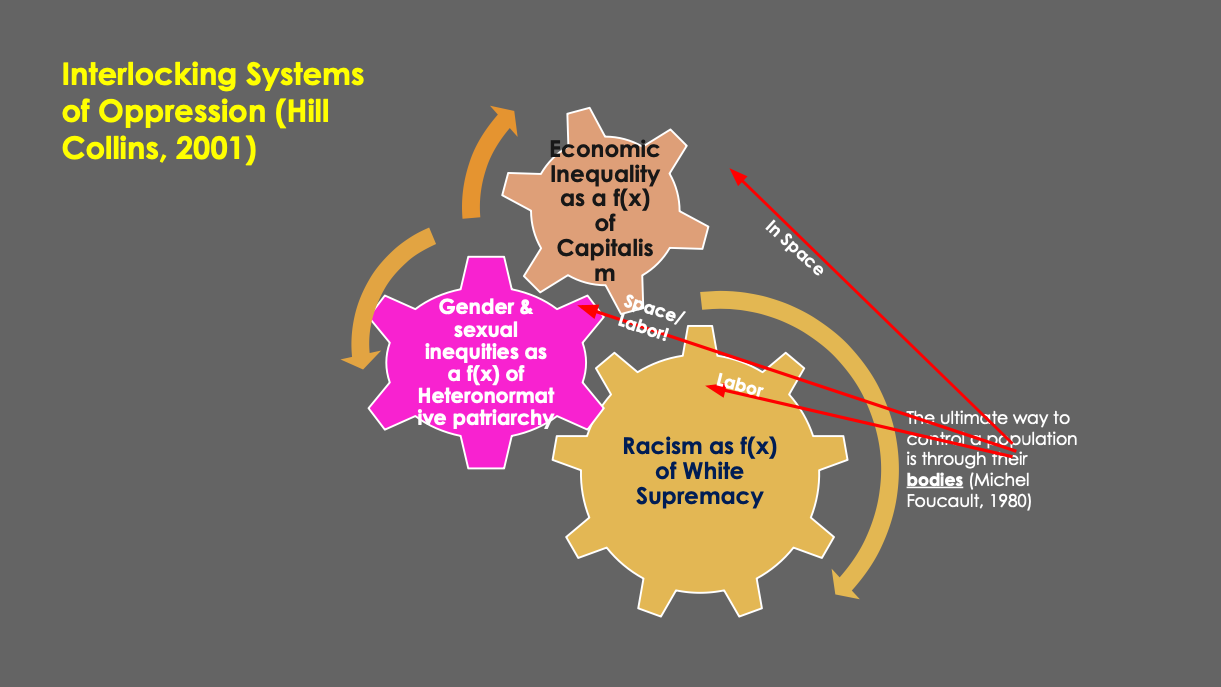
At LIHER, we use an intersectional framework to understand how multiple factors such as race, class, gender, and socioeconomic status(among others) interact to shape health experiences and outcomes.
Policy-Focused Research
Our work is grounded in Intersectionality-Based Policy Analysis (IBPA), a framework that helps evaluate how policies impact different populations. This approach allows us to identify gaps, uncover inequities, and contribute to more inclusive and effective decision-making.
Interdisciplinary Thinking
We combine methods from the biological, social sciences, and public health data-driven approaches to address complex health challenges.
What We Study
Research Focus Areas
Our research explores a wide range of critical issues in health equity, including:
- Health Policy and Systems Analysis
- Mental Health and Behavioral Health Intersections
- Public Health Trust and Communication
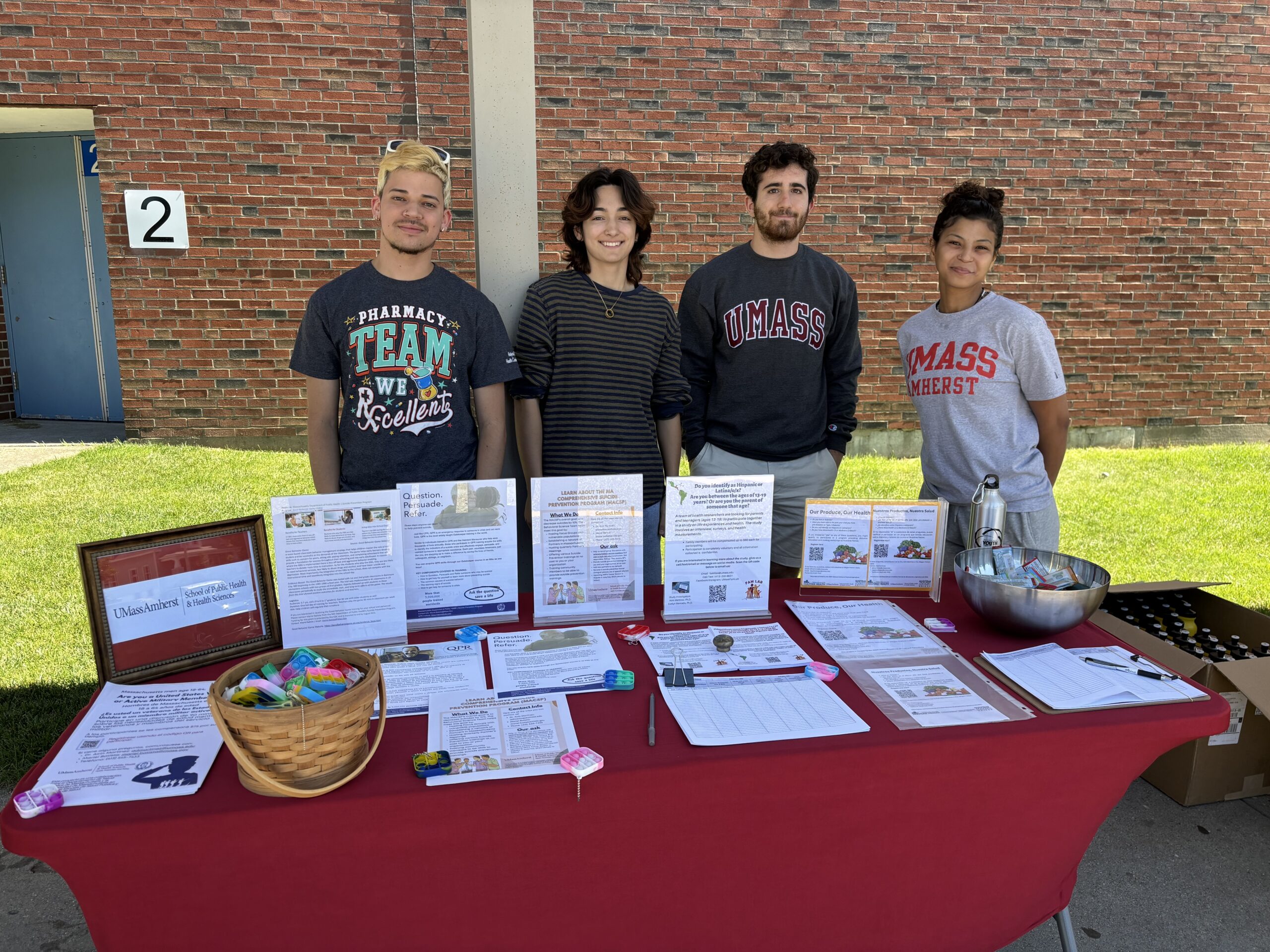
- Immigration and Health Outcomes
- AI and Digital Health Communication
- Social Determinants of Health
Each area reflects our commitment to understanding not just differences in health outcomes, but the underlying systems that create inequities.
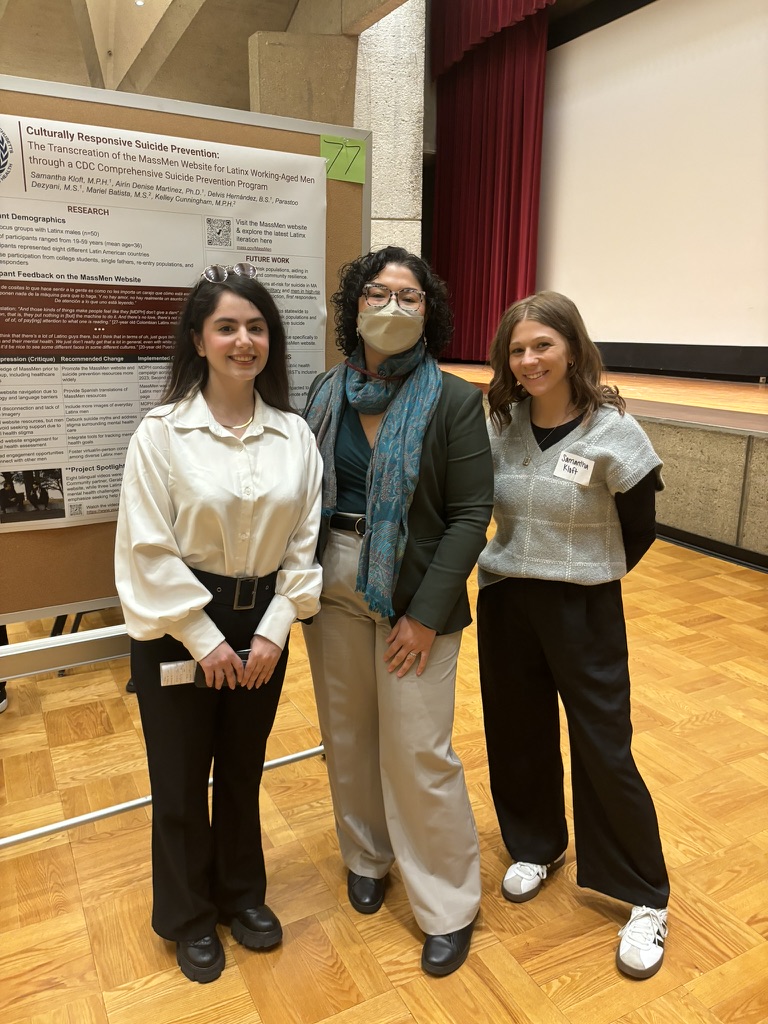
20
Years of exps
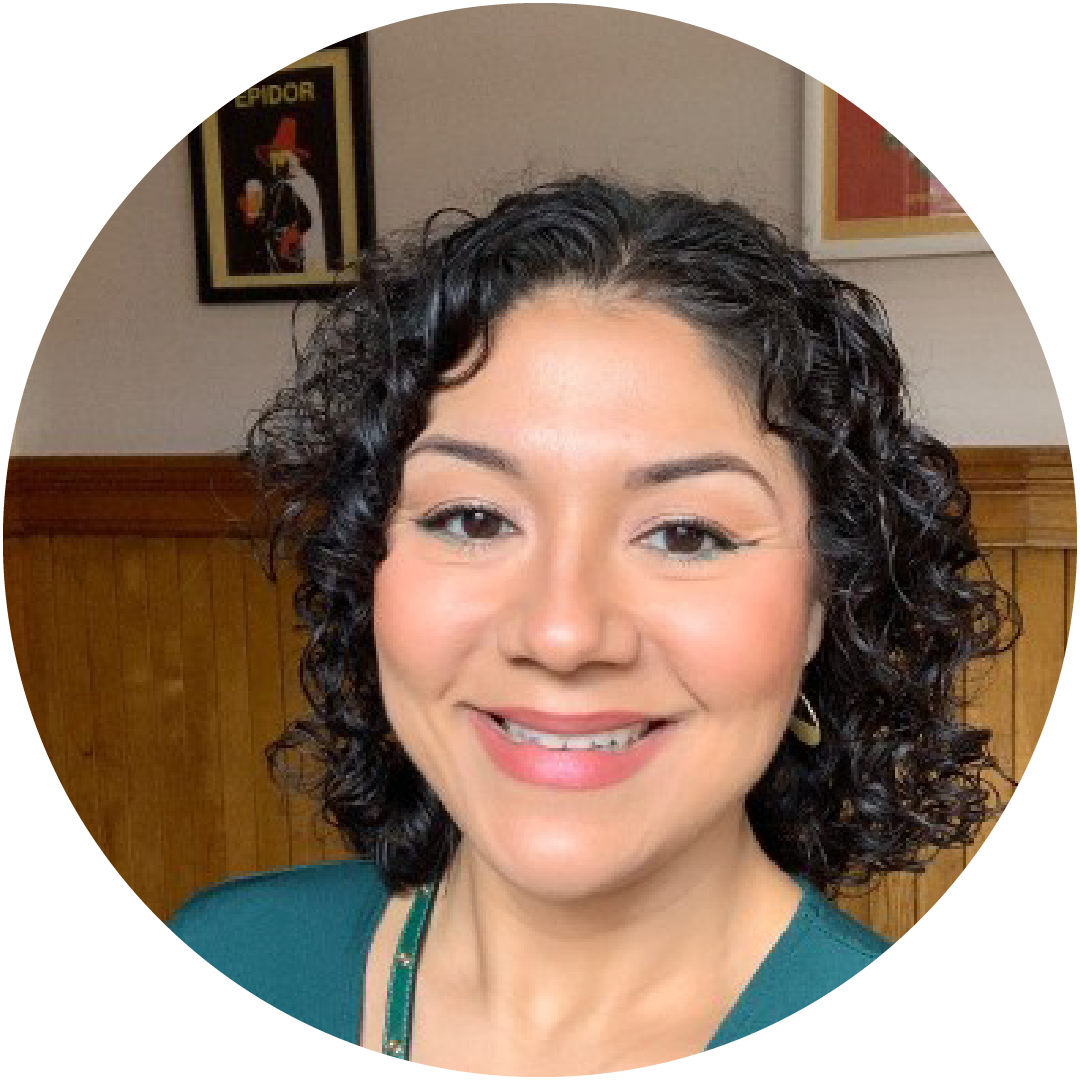
Airín Denise Martínez, PhD
Principal Investigator
Naomi Guerrero Reyes
Doctoral Student
Ashleigh Sayer
Doctoral Candidate
Parastoo Dezyani
Doctoral Candidate
Samantha Kloft
Doctoral Candidate
Vishal Shetty
Doctoral Candidate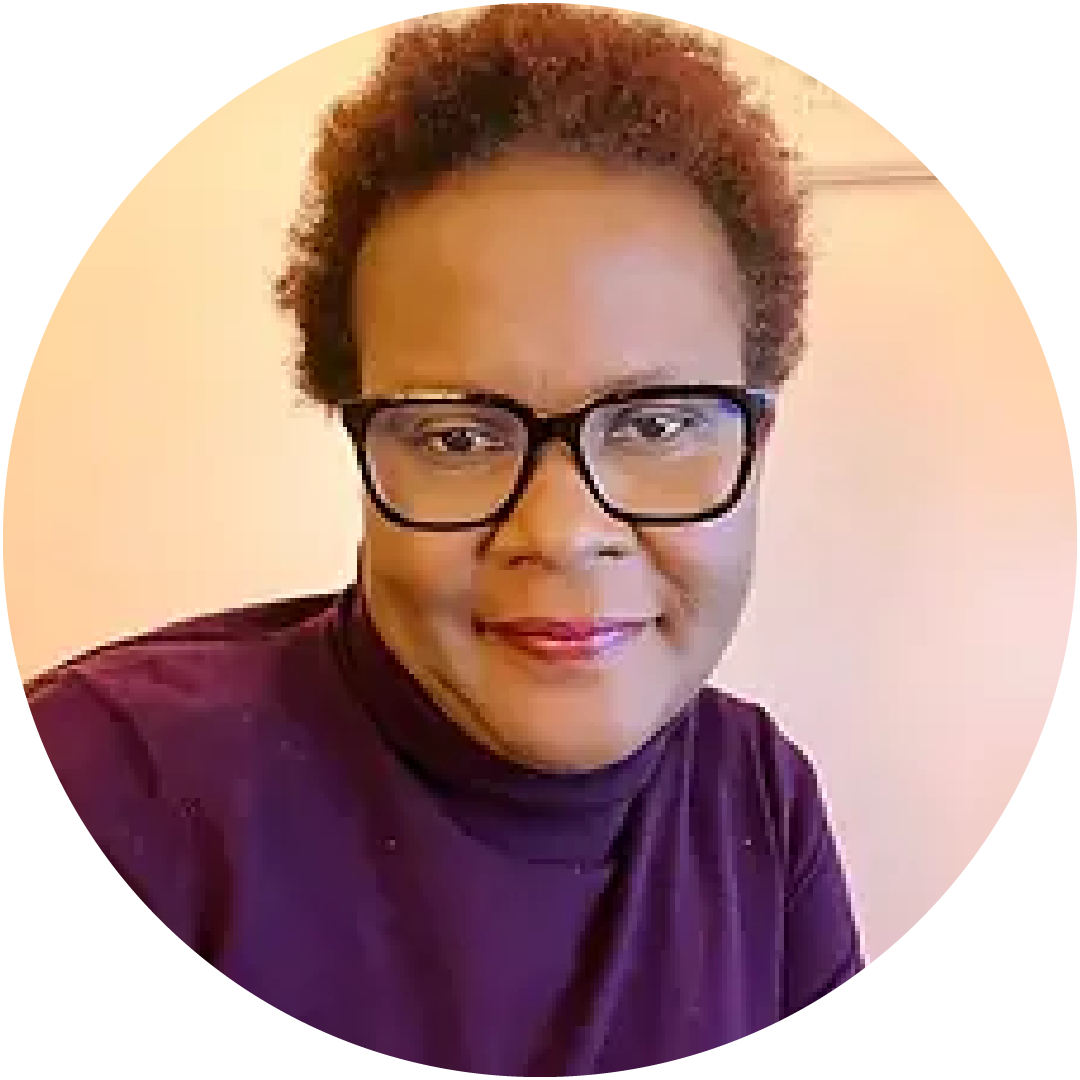
Joyce Mogaka
Ph.D. StudentRecent Articles
Insights & Research

29Apr
Seen and Not Alone: Redesigning Mental Health Resources for Latino/x Men
Suicide rates among Hispanic/Latino/x men (from no...

24Apr
When Science Meets the Margins: Biospecimen Research and Intersectional Health Equity
A 2022 study published in BMC Public Health by Mar...